





Ever wondered what it would be like to unlock your brain’s full potential with just a pill? As a film enthusiast who’s spent countless hours dissecting sci-fi thrillers, I’ve always been fascinated by how movies like Limitless and Lucy turn cognitive enhancement into high-stakes drama. NZT-48, the wonder drug from Limitless, and CPH4, the synthetic powerhouse from Lucy, represent ultimate fantasies of superhuman intelligence—but how do they stack up? In this deep dive, we’ll compare their fictional effects, origins, and inspirations, while grounding the discussion in real science and nootropics. Drawing from movie analyses and cognitive research, this exploration highlights why these concepts of NZT-48 and CPH4 captivate us, even if they’re far from reality. Remember, while films spark curiosity, true brain health comes from evidence-based habits, not cinematic miracles.
The Fictional Foundations: What Are NZT-48 and CPH4?
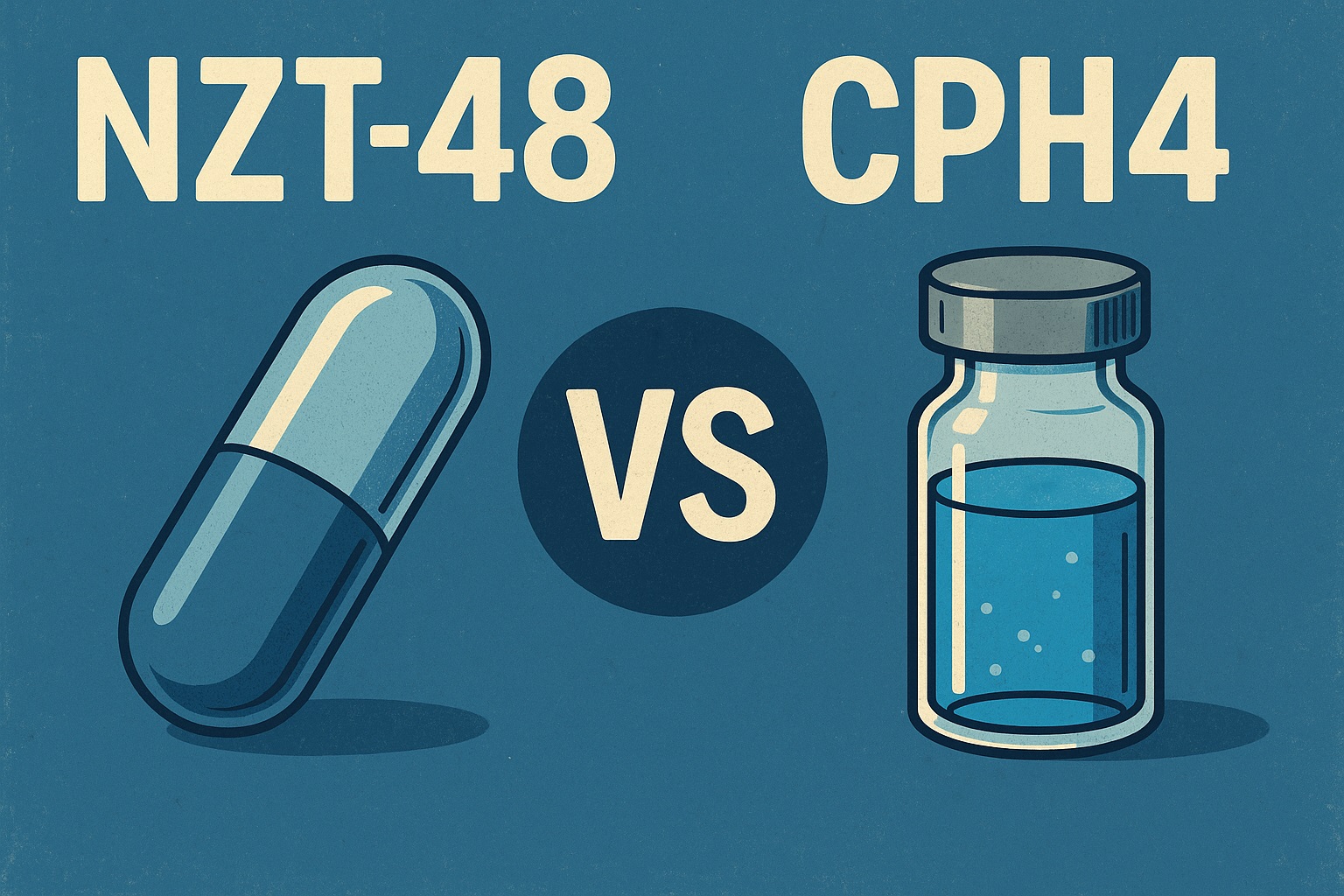
NZT-48 bursts onto the scene in Limitless (2011), where struggling writer Eddie Morra (Bradley Cooper) discovers a clear pill that skyrockets his mental capabilities. This nootropic transforms him into a genius, granting perfect recall of every memory, rapid learning of languages or skills, and heightened pattern recognition—essentially turning him into a stock market wizard and author overnight. But it’s not all upside; side effects include blackouts, addiction, and violent crashes, underscoring the “too good to be true” trope. CPH4, from Lucy (2014), takes a different tack: it’s a synthetic version of a pregnancy hormone that, when overdosed, propels Scarlett Johansson’s character to superhuman levels, unlocking telekinesis, time manipulation, and 100% brain utilization. Director Luc Besson invented CPH4, loosely basing it on a molecule produced in tiny amounts during pregnancy, but its effects spiral into god-like powers, blending sci-fi with pseudoscience.
Both draw from the debunked 10% brain myth, popularized by urban legends but dismissed by neuroscientists like those at Harvard Medical School, who explain we use most of our brain daily. Yet, these narratives tap into our desire for instant upgrades, making them enduring pop culture icons.
Comparing Effects of NZT-48 and CPH4: Super Smarts vs God Mode
NZT-48’s appeal lies in realistic enhancement—imagine acing a piano concerto after one listen or spotting market trends like a pro trader. It boosts memory, intelligence, and mood, acting as an antidepressant while sharpening analytical skills, but withdrawal turns deadly, with users facing paranoia and physical decline. CPH4, however, escalates to absurdity: starting with heightened senses, it evolves into controlling matter, traveling through time, and merging with the universe, far beyond human limits. While NZT-48 feels like an amplified version of real nootropics, CPH4 veers into superhero territory, emphasizing transformation over intellect.
In terms of risks, NZT-48’s addiction mirrors real drug dependencies, as seen in discussions on Reddit’s r/AskScienceFiction, while CPH4’s overdose leads to bodily dissolution, symbolizing overreach. Both warn against unchecked ambition, but NZT-48’s grounded effects make it more relatable for viewers dreaming of productivity hacks.
Real-World Inspirations: From Movies to Science
These fictional drugs draw from actual cognitive enhancers, fueling debates on “smart drugs.” NZT-48 echoes modafinil, a real wakefulness promoter used for narcolepsy, which users report enhances focus without the movie’s extremes—think Silicon Valley execs relying on it for long hours, as covered in ABC News. CPH4, invented by Besson, loosely nods to pregnancy hormones like human chorionic gonadotropin (hCG), but its brain-unlocking premise aligns with nootropics like piracetam, which may improve memory in some studies, per Examine.com.
Real analogs fall short of the hype: a BBC Future piece debunks “limitless” claims, noting drugs like Adderall boost attention but not innate intelligence, often with side effects like anxiety. Ethical concerns arise too—would you risk addiction for smarts? As neuroscientist Barbara Sahakian argues, society must weigh benefits against fairness in competitive fields.
Why These Drugs Captivate Us
From my late-night movie marathons, NZT-48 represents the allure of quick fixes—mirroring our culture’s obsession with productivity apps and biohacking. CPH4, meanwhile, taps evolutionary fantasies, questioning human limits in a tech-driven era. Both inspire real pursuits, like nootropic stacks from Nootropics Depot, blending caffeine and L-theanine for focus without fiction’s downsides. Yet, experts from The Pharmaceutical Journal caution that true enhancement lies in sleep, exercise, and diet—not pills.
NZT-48 and CPH4 thrill us with visions of untapped potential, but their fictional flair reminds us real cognitive boosts are incremental and ethical. If you’re inspired, explore safe nootropics or consult a doctor—after all, the brain’s true power might already be within reach. For more on brain myths, check Scientific American.